

What was your life like before you were diagnosed with cancer?
I was a police officer in Virginia. I had always been physically active and pushed myself to stay strong, so becoming seriously ill was something I never expected.
How did you find out you had cancer?
I was first diagnosed in 2015 while serving in the U.S. Army. It started with me feeling weak, developing a fever, and shaking uncontrollably. As my symptoms worsened, I went to the emergency room, where doctors conducted a bone marrow biopsy and discovered a rare form of lymphoma. Following chemotherapy, I received an autologous bone marrow transplant using my own stem cells and achieved remission.
After completing treatment and remaining cancer-free for seven years, my lymphoma returned in December 2022. This time, a tumor appeared on my chest. I became extremely sick again—and heartbroken and confused. I asked myself so many questions. Am I going to die this time? Why did this happen to me? Can I beat it again?
I underwent treatment again and again achieved full remission. The tumor was gone by April 2023. In December 2023, I received a second bone marrow transplant. Unlike my first transplant, which was an autologous transplant that used my own stem cells, the second was an allogeneic transplant, which used stem cells donated by my half-sister.
Did your life change immediately after your cancer diagnosis? If so, how?
During treatment, I had peripherally inserted central catheter (PICC) lines and an implanted port (port-a-cath), which meant I couldn’t lift weights or even swim in a pool. Suddenly not being able to do things I had always enjoyed was a major adjustment. When my lymphoma returned, the fear of fighting cancer again overwhelmed me. I started questioning whether I was going to make it.
Did you experience side effects? Do you continue to experience side effects?
I still feel the effects of both rounds of treatment. My hands and feet constantly ache and tingle and my body hurts from time to time. Chemotherapy reduced a portion of my heart function, but my heart remains strong and healthy.
Who was there for you after the diagnosis?
My mother, my aunt, my uncle, and my close friends stood by me through it all.
What was helpful for you?
My faith, my support system, and internal will were also helpful.
Is there anything that stands out to you about your experience with the healthcare system (positive or negative)?
The U.S. Department of Veterans Affairs took care of me, and everything moved quickly and efficiently. While I was in the hospital, it took some time to determine what was causing my symptoms, but once I received a diagnosis, they started treatment right away. The VA eventually transferred me to a military hospital in San Antonio, where my treatment continued and the bone marrow transplant process began.
How has your life changed since becoming a cancer survivor?
I gained wisdom through it all, but the fear still lingers—the fear of cancer returning.
Did you make any lifestyle changes due to your diagnosis?
I’ve become more mindful and focused on meditation. I was always physically healthy before, and I believe that’s what helped carry me through it all. Now, I’m putting more effort into strengthening my mental health as well.
What’s next? What are your current goals or priorities?
My goals are to earn a degree in sociology and work for Child Protective Services. One day, I also hope to become a Catholic deacon so I can be there for others, especially cancer patients who need support and understanding.
What’s an insight, note, or tip that you feel is important for other survivors and their loved ones to know or keep in mind?
To my fellow cancer warriors I would say the following:
I know the pain of being told you have cancer—not once, but twice. It can be soul-crushing. I also know the joy of being told you have beaten it twice. I am sharing my story to offer encouragement, especially to those who may be facing a recurrence.
Two things gave me hope:
The first was when I asked my doctor, “Can I beat it again?” and he said, “Yes.”
The second was seeing the pain in my mother’s face. I am my mother’s only child, and I knew I had to fight for her.
When I began my first round of chemotherapy, I prayed for strength. During my second round of chemotherapy, I told myself I would beat it again. I had done it once before, and I believed I could do it again.
I understand that every diagnosis and every journey is different, and that many things are beyond our control. What helped me was focusing on what I could control: my mindset, my attitude, and my spirit. What carried me through was a never-quit mindset, a positive attitude, and a warrior spirit. Finding something meaningful to hold onto made a difference for me during the hardest moments.
I also leaned heavily on my faith, an important source of strength for me. I encourage you to find something—anything—that gives you strength, comfort, and the determination to keep moving forward. For me, giving up was never an option. I had to keep putting one foot in front of the other, even on the hardest days.
Remember this, too: you have cancer, but cancer does not have you. During treatment, I learned to focus on what was directly in front of me. Some days, that meant getting out of bed and taking a walk when I felt up to it. Other days, it meant simply getting through the next hour.
I know the fevers can drain you. I know the sleepless nights, the constant needle sticks, the blood cultures, and the rounds of chemotherapy can be harsh, exhausting, and painful. When I was going through treatment, I tried to take things one day at a time and remind myself that each day brought me one step closer to healing. I would listen to motivational music and speeches. They reminded me to stay focused, stay disciplined, and keep moving forward one day at a time. Every day, I told myself, “I am going to make it”—and prayed that I would.
I wish no one had to carry the burden of cancer. For those of us who do, I hope my story serves as a reminder that strength can come from many places. For me, it came from my faith, my family, and my determination to keep moving forward, even on the hardest days.
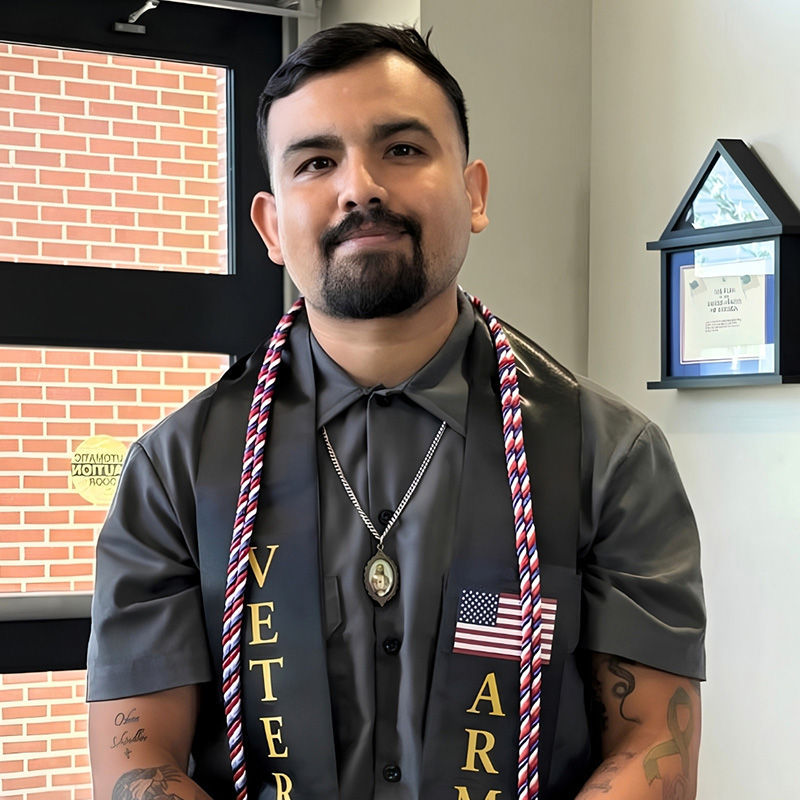
Image: Santino
I encourage you to find something—anything—that gives you strength, comfort, and the determination to keep moving forward... You have cancer, but cancer does not have you.”