

Webinar
Event Material
Event Series
Perspectives on Cancer and Aging
This presentation provided a conceptual framework outlining the biological aging mechanisms through which stress and adversity impact clinical outcomes in hematopoietic stem cell transplantation and cellular therapy (TCT). Dr. Jennifer Knight discussed the implications of socioenvironmental stress on biological and immunological signaling patterns and their impact on clinical outcomes among TCT recipients. Dr. Kelly Rentscher then reviewed research on stress-induced biological aging and presented new findings linking chronic stress, biological aging, and clinical and functional (i.e., cognitive and physical function) outcomes in TCT recipients. Presenters concluded with a discussion of actionable strategies to target these biological mechanisms to improve equity, treatment response, and survivorship for TCT recipients.
This webinar is part of the Perspectives on Cancer and Aging: The Arti Hurria Memorial Webinar Series. It is co-hosted by the NCI Behavioral Research Program and Epidemiology and Genomics Research Program.
Speakers
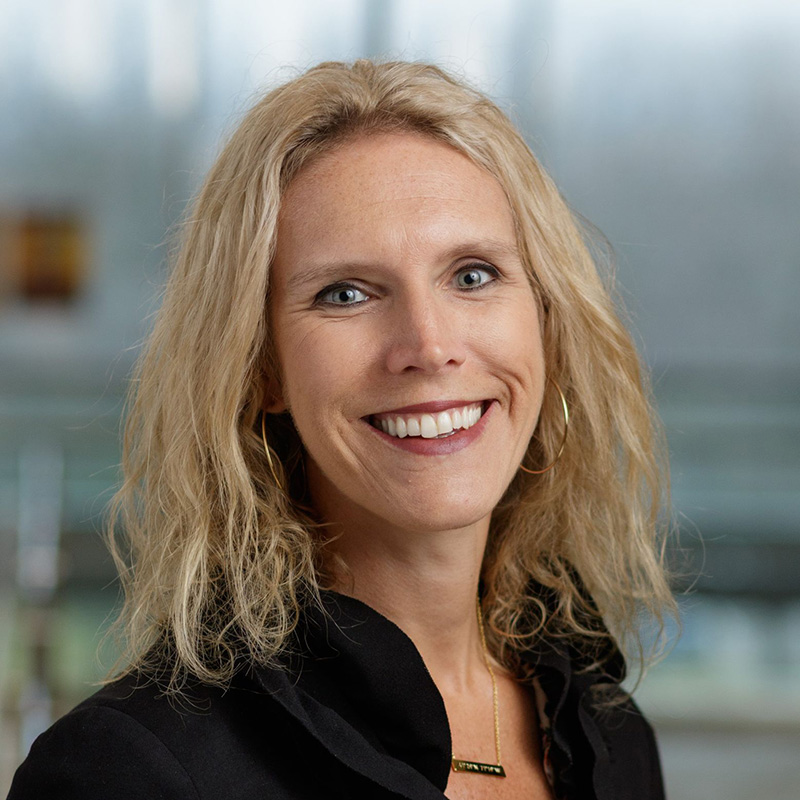
Professor of Psychiatry, Medicine, and Microbiology & Immunology,
Divisions of Consultation Liaison Psychiatry and Hematology/Oncology,
Medical Director, Cancer Center Psycho-Oncology Program,
Biobehavioral Oncology NCI T32 Training Co-Director,
Associate Director, Clinical Neuroscience Research Center, Wisconsin Institute of NeuroScience (WINS),
Medical College of Wisconsin
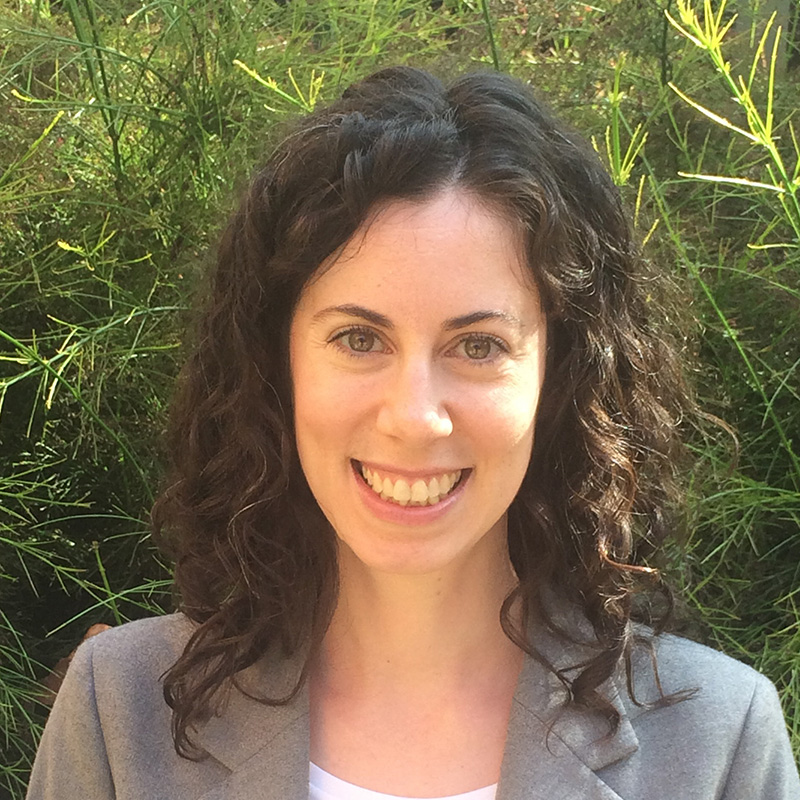
Assistant Professor,
MCW Cancer Center Scholar,
Department of Psychiatry and Behavioral Medicine,
Medical College of Wisconsin
Moderators
Program Director, Clinical and Translational Epidemiology Branch,
NCI Epidemiology and Genomics Research Program
Branch Chief,
Basic Biobehavioral and Psychological Sciences Branch,
NCI Behavioral Research Program